
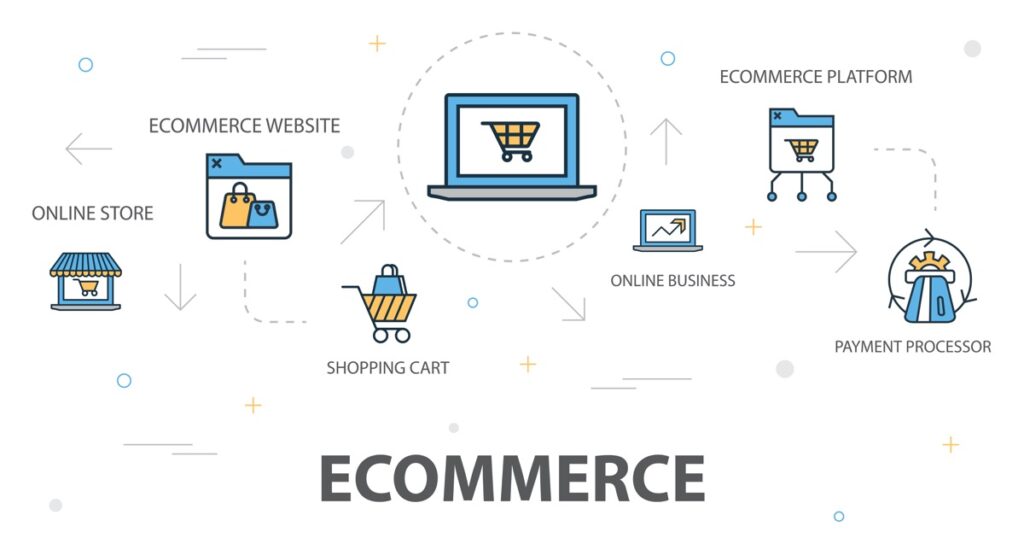
Choosing the best ecommerce platform for SEO is one of the most important decisions you will make when building an online store. Your platform shapes how your website handles URLs, product pages, category pages, metadata, structured data, page speed, crawling, indexing, and content publishing.
Thank you for reading this post, don't forget to subscribe!In 2026, the main options worth comparing are Shopify, WooCommerce, BigCommerce, Adobe Commerce, and Wix. Each one approaches search engine optimization differently, and the right choice depends on your business model, catalog size, budget, and technical resources. This guide compares them side by side so you can pick the best ecommerce platform for SEO for your own store.
One point needs to be clear from the start: no ecommerce platform ranks a website on its own. A platform gives you the technical foundation, but your results still depend on search intent, helpful content, product page quality, internal linking, backlinks, speed, and how well you serve your customers.
What Is Ecommerce SEO?
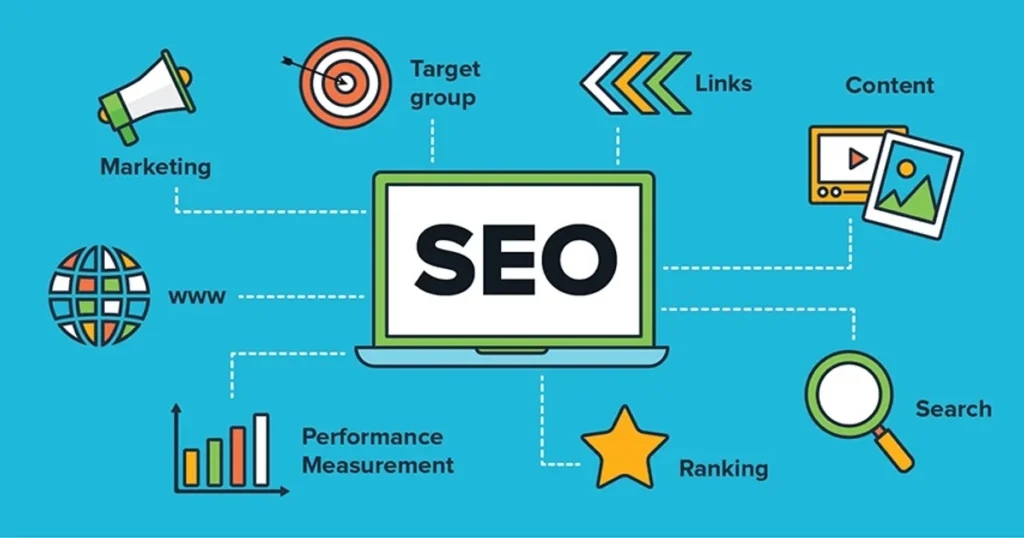
Ecommerce SEO is the process of optimizing an online store so that its product pages, category pages, and informational content appear prominently in organic search results.
It is different from ordinary website SEO because an online store often has hundreds or thousands of URLs: products, collections, filters, tags, reviews, blog posts, and buying guides. A store with 10,000 products can accidentally create thousands of duplicate or low-value URLs through filter and sort parameters, and a poorly planned structure makes it harder for search engines to understand which pages matter most.
A good ecommerce SEO strategy therefore combines technical optimization with useful content, covering product and category pages, URL structure, metadata, structured data, sitemaps, canonical tags, internal linking, mobile experience, page speed, and buying guides. Your platform should make these tasks easier, not harder.
What to Look for in an SEO-Friendly Ecommerce Platform
Before comparing platforms, it helps to know which features actually matter.
URL Structure
Clean URLs such as example.com/shoes/running-shoes/ are easier for users and search engines to understand than long strings of parameters. Some platforms let you control URL paths fully, while others impose fixed system paths. This matters most during a migration, because changing many URLs means setting up many redirects.
Metadata Control
Every important product and category page needs its own title tag and meta description that match the search intent of the page. A good platform lets you edit these manually instead of forcing auto-generated text on every page.
Structured Data
Structured data helps search engines read details such as price, availability, reviews, and breadcrumbs. Useful schema types for stores include Product, Offer, Review, AggregateRating, BreadcrumbList, and Organization. The markup must always match what visitors can actually see on the page.
Page Speed
Shoppers expect fast pages, especially on mobile. Large images, heavy themes, too many apps, and slow hosting all hurt performance. The platform matters, but so does implementation: a fast platform can still produce a slow store if the theme is overloaded.
Crawlability and Indexing
Search engines must be able to find and crawl your important pages efficiently. Look for XML sitemaps, canonical tags, robots controls, redirects, and logical navigation. These become more important as your catalog grows.
Content Management
Modern ecommerce SEO goes beyond product pages. Buying guides, comparisons, tutorials, and FAQs bring in shoppers early in their journey, so a platform that supports content marketing well is a real strategic advantage.
Best Ecommerce Platform for SEO: Quick Comparison
The table below compares the five major platforms on the factors that matter most for SEO.
| Factor | Shopify | WooCommerce | BigCommerce | Adobe Commerce | Wix |
|---|---|---|---|---|---|
| URL flexibility | Moderate | Excellent | High | Excellent | Moderate |
| Metadata control | Excellent | Excellent | Excellent | Excellent | Good |
| Schema flexibility | Good | Excellent | Good | Excellent | Moderate |
| Content marketing | Good | Excellent | Good | Excellent | Moderate |
| Hosting | Managed | Self-managed | Managed | Usually separate | Managed |
| Technical control | Moderate | Very high | High | Very high | Low |
| Ease of use | Excellent | Good | Good | Low | Excellent |
| Developer needed | Low | Medium | Medium | High | Low |
| Best for | Beginners, growing brands | Content-led stores | Larger catalogs | Enterprise | Small stores |
This table is not a universal ranking. More technical control is not automatically better. A small store without a developer may do far better on a managed platform than on a highly customizable one that needs constant maintenance.
Shopify SEO: Simplicity With Strong Fundamentals
Shopify is one of the most widely used ecommerce platforms, and it is a strong candidate for the best ecommerce platform for SEO if you want to launch quickly without managing infrastructure. It handles hosting, SSL, and most technical requirements for you, so you can focus on products, content, and marketing.
What Shopify Does Well
Shopify supports editable page titles and meta descriptions, image alt text, XML sitemaps, canonical tags, redirects, and mobile-friendly themes. Its managed hosting removes server work, which is a real advantage for teams without developers.
Where Shopify Is Limited
Some URL paths are fixed by the platform. This is usually not a ranking problem for small and medium stores, but advanced SEO teams that want full control over site architecture may find it restrictive. Blogging is also less flexible than WordPress for very large publishing operations. Speed still depends on your theme and installed apps, so keep both lean.
Shopify Verdict
Shopify suits small and medium businesses, new stores, direct-to-consumer brands, and entrepreneurs without a development team.
WooCommerce SEO: Maximum Flexibility and Control

WooCommerce is an ecommerce plugin built on WordPress. Because WordPress was designed for publishing, WooCommerce is attractive to brands that want to combine a store with a serious content strategy. For content-led businesses it is often the best ecommerce platform for SEO, since you control URLs, metadata, redirects, schema, breadcrumbs, and internal linking through WordPress and its plugins.
Content Marketing Strength
You can build full content hubs around your products. A running-shoe store, for example, could publish buying guides, beginner training plans, trail running tutorials, and shoe comparisons, all linking to the right categories and products. If you want ideas for speeding up keyword research and content optimization, see Cognetify’s guide to the 9 best free AI tools for SEO in 2026.
The Trade-Off
Performance depends heavily on how you set things up. You are responsible for hosting, caching, plugins, image optimization, security, and updates. A well-built WooCommerce store can be very fast, while a poorly configured one becomes slow and hard to maintain.
WooCommerce Verdict
WooCommerce fits SEO-focused brands, content-heavy stores, WordPress users, and businesses with developer support.
BigCommerce SEO: A Strong Middle Ground
BigCommerce sits between Shopify and WooCommerce. It is hosted, so you do not manage servers, yet it offers more built-in ecommerce controls than many merchants expect, including customizable URLs, metadata, redirects, sitemaps, and structured data.
For growing catalogs it can be the best ecommerce platform for SEO, because its greater URL flexibility makes it easier to organize many products and categories. Large catalogs also need careful handling of duplicate content, faceted navigation, filter URLs, and canonicalization, and BigCommerce’s built-in controls can reduce your reliance on third-party apps. It is strongest for ranking product and category pages. A business planning a massive publishing operation may still prefer WordPress.
Adobe Commerce SEO: Enterprise-Level Control
Adobe Commerce, formerly Magento Commerce, is built for large and complex organizations that need multiple websites, store views, international markets, and advanced merchandising. It offers deep control over URLs, canonicalization, navigation, and indexing.
That flexibility comes with complexity. You should have developers or an experienced technical team, and for a small store the maintenance burden is rarely worth it. Adobe Commerce is best for enterprise brands, international stores, and complex catalogs with development resources.
Wix Ecommerce SEO: Simple and Beginner-Friendly
Wix has improved its SEO features considerably and can work for smaller stores. You can manage URLs, metadata, sitemaps, redirects, and structured data without technical knowledge, and its designs are mobile-friendly.
Very large catalogs and advanced customization needs may eventually hit its limits. Wix suits small businesses, local sellers, creators with a limited catalog, and beginners who value simplicity. In highly competitive niches, compare it carefully with platforms that offer deeper technical control.
Platform or Strategy: What Matters More?
Many store owners spend too much time asking which platform will make them rank. Google does not reward a site simply because it uses Shopify or WooCommerce. It evaluates the actual pages: their content, relevance, links, technical accessibility, user experience, and authority.
A technically perfect platform can still fail when product descriptions are thin, category pages say nothing useful, internal links are weak, pages are slow, or competitors simply provide better information. A simpler platform can perform extremely well when the fundamentals are done right. Treat the platform as the foundation and your strategy as the building.
Search Intent and Keyword Research for Ecommerce
Your choice of the best ecommerce platform for SEO should also support the whole search journey, because shoppers use different kinds of queries at different stages. A strong strategy targets all three types below.
Transactional Keywords
These show buying intent, such as “buy running shoes online” or “women’s winter jackets.” They belong on product and category pages.
Commercial Investigation Keywords
Here users compare options, such as “best running shoes for beginners” or “Shopify vs WooCommerce.” Comparison pages and reviews fit these searches.
Informational Keywords
These attract people earlier in the journey, such as “how to choose running shoes” or “how does ecommerce SEO work?” Buying guides and tutorials answer them while naturally introducing your products.
Cover your topic in depth and use related terms naturally, such as product pages, category pages, structured data, canonical tags, and internal links, instead of repeating one phrase. If you are new to this process, Cognetify’s best AI tools for beginners in 2026 can help non-technical owners simplify digital work, and you can follow it with our guide on keyword research basics.
How to Optimize Product and Category Pages
Product Pages
Give each product a unique, accurate title. Write descriptions that explain benefits, specifications, use cases, and purchase details. Use descriptive image file names and alt text, show real reviews where possible, and add product structured data for price and availability. Avoid copying the same manufacturer description across hundreds of products.
Category Pages
Many stores treat categories as plain product grids, which wastes a major opportunity. A strong category page has a clear title, a short helpful introduction, useful filters, relevant subcategories, breadcrumbs, internal links, and unique metadata. Keep the text short enough that it supports shopping instead of blocking it.
Speed, Mobile, and Core Web Vitals
Performance should be part of your platform decision. Three metrics matter most: Largest Contentful Paint (LCP) measures how quickly the main content appears, Interaction to Next Paint (INP) measures how responsive the page feels, and Cumulative Layout Shift (CLS) measures unexpected layout movement.
Product pages are often heavy with large images, reviews, recommendation widgets, tracking scripts, and payment integrations, so a fast theme and optimized images make a real difference. Switching platforms alone will not fix a slow design. Mobile matters just as much: use a responsive layout, readable text, large tap targets, fast images, and a simple checkout, and make sure shoppers can reach any category within a few taps. For more on how emerging technology is changing online shopping, read our article on the latest technology trends in 2026.
Site Architecture, Faceted Navigation, and International SEO
Site Architecture
A simple structure runs from homepage to category, subcategory, and product. Informational content sits beside it, with blog posts linking to buying guides, then categories, then products. Avoid burying important products many clicks deep. Our guide to internal linking for ecommerce explains how to connect these layers.
Faceted Navigation
Filters for size, color, brand, material, and price help shoppers but can generate thousands of URL variations. Not every variation deserves to be indexed, so large stores need a plan using canonical tags, robots directives, or internal-link controls. This is where platform architecture becomes more important as your catalog grows.
International SEO
Selling in several countries adds multiple languages, currencies, domains, hreflang tags, and localized metadata. Choose a platform that supports a logical international structure without creating duplicate content.
Common Ecommerce SEO Mistakes to Avoid
Content Mistakes
The most common content mistakes are copying manufacturer descriptions, targeting keywords without understanding intent, ignoring category pages, using duplicate titles and meta descriptions, publishing thin AI-generated content without editing, and skipping image optimization. Our article on AI content writing tools shows how to use AI with proper editing.
Technical Mistakes
On the technical side, watch for filter URLs being indexed, URL changes without redirects, accidentally blocked pages, duplicate product URLs, poor mobile performance, and too many apps or plugins. The best results come from strong content combined with disciplined technical SEO.
Which Is the Best Ecommerce Platform for SEO for Your Business?
For Beginners
Beginners benefit from simplicity. Spending time on hosting problems, plugin conflicts, and security updates distracts from growing the business. Shopify and Wix are the easiest starting points, while WooCommerce suits those with WordPress experience or technical help.
For Content-Driven Stores
If you plan to publish a lot of content, WooCommerce has the edge because WordPress handles topic clusters, long guides, and taxonomies well. Shopify and BigCommerce can also support good content strategies; the difference is mostly workflow flexibility.
For Large Stores
Large businesses should weigh catalog size, international markets, multiple storefronts, integrations, crawl management, and development resources. BigCommerce suits growing catalogs, Adobe Commerce suits enterprises needing deep customization, and WooCommerce can scale with careful hosting and development.
Best Ecommerce Platform for SEO: Final Verdict
So, what is the best ecommerce platform for SEO? There is no single winner for every store, so match the platform to your resources.
WooCommerce is the strongest choice for flexibility, content marketing, and customization. Shopify is ideal when simplicity, reliable infrastructure, and speed to market matter most. BigCommerce is a solid middle ground for growing businesses. Adobe Commerce is for large organizations with technical teams, and Wix works for small stores that want an easy start.
Whichever you choose, the platform is only the foundation. You still need useful product information, well-built category pages, optimized metadata, strong internal linking, fast performance, and a clear understanding of search intent. Browse our productivity tools for students in 2026 roundup for tools that can save time on the daily work behind it.
Frequently Asked Questions
What is the best ecommerce platform for SEO?
WooCommerce offers the most SEO flexibility, while Shopify is easiest to manage. BigCommerce suits growing catalogs and Adobe Commerce suits enterprises. Your technical resources decide the best fit.
Is Shopify good for SEO?
Yes. It offers editable metadata, sitemaps, canonical tags, redirects, and managed hosting. Its main limits are fixed URL paths and less flexible blogging.
Is WooCommerce better than Shopify for SEO?
WooCommerce gives more technical control and content flexibility. Shopify is easier to run and still performs very well.
Does my ecommerce platform affect Google rankings?
It affects your technical setup, such as URLs, speed, and crawlability. It does not guarantee rankings on its own.
Which platform is easiest for beginners?
Shopify and Wix. Both need very little technical maintenance.
Which platform is best for a large catalog?
BigCommerce and Adobe Commerce handle large catalogs well. WooCommerce can too, with careful hosting.
Is page speed important for ecommerce SEO?
Yes. It affects user experience and conversions. Optimize images, themes, apps, and hosting.
Why are internal links important for online stores?
They help shoppers navigate and help search engines find and understand your key pages.
Should I migrate platforms for SEO?
Only if your current platform causes a real limitation. Migration risks URLs, redirects, indexing, and traffic.
Conclusion
The right platform gives your store a strong technical foundation, but organic growth takes more than choosing a platform. Focus on search intent, helpful content, product and category optimization, internal links, structured data, mobile experience, and speed.
Choose the platform that gives your team the right balance of SEO control, usability, scalability, performance, and maintenance, then build a consistent strategy on top of it.

- Best Ecommerce Platform for SEO in 2026 - October 5, 2026
- 7 Powerful Generative Engine Optimization Services - October 5, 2026
- How Much House Can I Afford With a 100K Salary? - October 3, 2026