
Every day, millions of people pay for things without touching a single coin or card; they just tap their phone or click a button. This is the power of fintech digital wallets, and in 2026, they are bigger and more important than ever before. Whether you are just getting started or looking to upgrade your current setup, understanding the best mobile payment apps of 2026 is the smartest first step any business can take right now.
Thank you for reading this post, don't forget to subscribe!Why Businesses Need to Evaluate the Fintech Digital Wallets in 2026
If you run a business, work at a startup, or manage payments at a bank, you already know one hard truth: choosing the wrong digital wallet can cost you customers, money, and trust. That is exactly why it is so critical to evaluate the fintech digital wallets carefully before you make any decision about your payment infrastructure.
The global digital wallet market is growing at a speed that is impossible to ignore. According to Statista’s latest digital payments research, digital wallet transactions are projected to exceed $12 trillion by 2026. More people are shopping online, paying through mobile payment solutions, and sending money across borders than at any point in history. This massive shift means businesses cannot afford to guess. They must choose wisely and strategically.
Furthermore, the payment wallet ecosystem has become more crowded and more complex at the same time. There are dozens of fintech payment apps available today from Apple Pay to PayPal to newer challengers entering the market every month. Not every wallet works for every business. Some are ideal for small online stores. Others are purpose-built for large enterprises managing cross-border digital wallets and multi-currency payment flows at scale.
Key Stat: Digital wallet transactions are projected to exceed $12 trillion by 2026, with mobile payments driving the largest share of growth globally.
Additionally, digital wallet adoption trends show that customers now expect fast, safe, and smooth payment experiences as a basic standard. If your checkout is slow or confusing, they simply leave. Research shows that nearly 70% of online cart abandonments happen because the payment process is too complicated or takes too long. Therefore, picking the right wallet is not just a technology decision it is a direct business growth decision.
This complete guide is written for:
- E-commerce businesses looking to improve checkout conversion rates and reduce cart abandonment
- Startups entering the fintech or payments space and building their tech stack from scratch
- Banks and financial institutions are exploring modern business digital payment tools
- Developers and tech teams evaluating wallet APIs, integrations, and scalability options
By the end of this guide, you will know exactly how to evaluate fintech digital wallets like a genuine expert with full confidence, total clarity, and a clear, actionable strategy in your hands.
What Are Fintech Digital Wallets and How Do They Work?
Fintech digital wallets are software-based tools that store your payment information securely and let you send or receive money instantly from any device. Understanding how they actually work is the essential foundation you need before you evaluate the fintech digital wallets for your business or platform. If you want a deeper look at the top options available right now, check out our detailed review of the best mobile payment apps of 2026.
Types of Digital Wallets
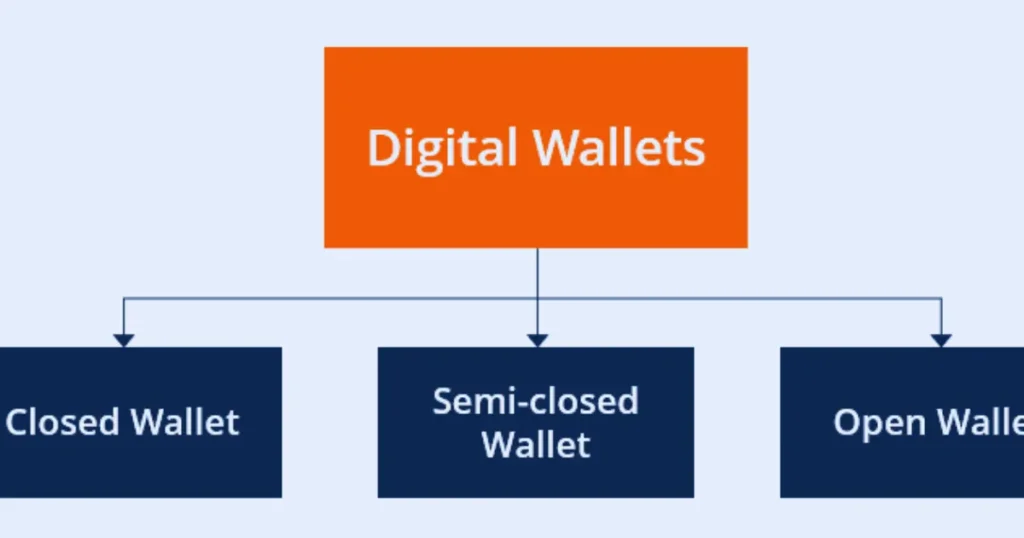
When businesses begin their mobile wallet evaluation, they quickly discover that not all wallets are built the same way. There are three main types: closed wallets (used only within one platform, like Amazon Pay), semi-closed wallets (accepted at select merchants, like Paytm), and open wallets (linked directly to banks and accepted almost everywhere, like Google Pay). Knowing these key differences is the very first step in any serious fintech wallet analysis and selection process.
Key Components of a Digital Wallet
Every strong, secure digital wallet platform is built on a few core components: a user interface, a payment engine, a security layer, and a backend API system. The user interface handles what customers see and tap on their screen. The payment engine processes transactions in real time without delay. The security layer protects sensitive data using encryption and tokenization technology. Together, these components define the wallet performance metrics that businesses must carefully review before selecting any electronic wallet provider for their operations.
Payment Flow Explained
Understanding the digital wallet payment processing flow is actually simpler than most people expect. When a customer pays, the wallet encrypts their card data into a secure token. That token is then sent to the merchant’s payment gateway, which contacts the card network (like Visa or Mastercard), which approves or declines the transaction. This entire process happens within seconds. A smooth, reliable digital wallet technology stack ensures this payment flow never breaks — even during high-traffic shopping periods like Black Friday.
Examples in the USA, UK, and Canada
The best digital wallets in the USA include Apple Pay, Google Pay, PayPal, Venmo, and Zelle — each designed to serve different customer needs and use cases. In the UK, popular choices include Revolut, Monzo, and Apple Pay, all built around strong digital wallet regulatory compliance standards. In Canada, Interac e-Transfer, Apple Pay, and Google Pay currently lead the market by user adoption. These regional examples clearly show how online payment wallet features vary significantly by country, making regional fit a critical factor during any thorough wallet evaluation.
Key Factors to Evaluate the Fintech Digital Wallets Effectively
There are several critical factors every business must examine closely before selecting any fintech digital wallet solution. When you properly evaluate the fintech digital wallets using these factors, you separate the truly great solutions from the average or costly ones.
Security & Compliance — The Foundation of Trust
Digital wallet security standards are the absolute first thing any serious business must verify. A wallet without strong security is essentially a bank without a lock. Always look for PCI DSS certification, which confirms the wallet meets global card payment security rules. Multi-factor authentication (MFA) and biometric payments like fingerprint or face recognition add powerful extra protection. Strong digital wallet fraud protection systems, combined with compliance with GDPR, PSD2, and CCPA regulations, are completely non-negotiable requirements for any trustworthy, secure digital wallet platform in 2026.
Expert Tip: Security and service quality significantly impact wallet adoption rates. Always verify compliance certifications before signing any contract with a wallet provider.
User Experience (UX/UI) — What Customers Actually Feel
Mobile wallet user experience directly impacts whether customers complete a purchase or abandon their cart completely. A confusing or slow app loses sales every single time. Therefore, when businesses evaluate the fintech digital wallets, they must personally test app speed, onboarding simplicity, and ease of making payments from start to finish. A well-designed wallet loads fast, guides new users smoothly, and works perfectly across all mobile devices. Strong wallet usability factors like clean design and one-tap checkout can significantly increase conversion rates for any digital wallet for e-commerce businesses.
Transaction Fees & Pricing Model — Know Every Single Cost
Digital wallet transaction fees can quietly eat deep into your business profits if you do not read the fine print carefully before committing. Some wallets charge merchants a flat fee per transaction, while others take a percentage of each sale. Hidden costs like monthly platform fees, currency conversion charges, and cross-border digital wallet processing fees can add up very fast. Therefore, always compare the full pricing model — not just the headline rate shown in marketing materials. Transparent pricing is a key fintech wallet selection criteria that separates genuinely honest providers from expensive ones.
Integration & API Capabilities — Connecting Your Entire Business
Digital wallet integration API quality determines exactly how smoothly a wallet connects with your existing business systems. A strong, well-documented API means your developers can plug the wallet into your e-commerce store, POS system, or banking platform without weeks of frustrating and expensive coding work. Always look for wallets that offer clear documentation, sandbox testing environments, and dedicated developer support. Poor digital wallet technology stack compatibility can delay your entire product launch by months and cost your business significant time, money, and competitive advantage unnecessarily.
Global Availability & Scalability — Growing Without Limits
Digital wallet scalability is critically important for any business that plans to grow beyond its home market over the coming years. A wallet that works smoothly in one country but completely fails in another creates very serious expansion problems. The best cross-border digital wallets support multiple currencies, multiple languages, and local regulatory compliance in every country they operate. When you evaluate the fintech digital wallets for global use, always verify which countries are fully supported, how multi-currency conversion is handled, and whether the platform can reliably handle growing transaction volumes without performance degradation.
Top Fintech Digital Wallets to Evaluate in 2026
The fintech payment apps market is packed with strong players, but only a few truly stand out for serious businesses. Here are the top electronic wallet providers you absolutely must know when you evaluate the fintech digital wallets this year.
Apple Pay — Premium Security Meets Simplicity
Apple Pay remains one of the best digital wallets in the USA, UK, and Canada in 2026. It uses tokenization and biometric authentication — Face ID and Touch ID — to keep every single transaction genuinely secure. Merchants love it because checkout is fast and conversion rates are measurably higher compared to traditional card payments. It works seamlessly across iPhone, iPad, Mac, and Apple Watch. However, it is limited to Apple device users only, which means it does not cover your entire customer base as a fully standalone mobile payment solution.
Google Pay — Flexible and Widely Accepted
Google Pay is one of the most flexible fintech digital wallets available for both consumers and businesses today. It works across Android and web browsers, making it accessible to a much wider audience than Apple Pay alone. Its digital wallet integration API is genuinely developer-friendly, and it supports contactless, in-app, and online payments smoothly across markets. Google Pay also offers strong digital wallet fraud protection through advanced machine learning systems. It is a top choice when businesses need a reliable, scalable, and widely accepted option during their mobile wallet evaluation.
PayPal — The Global Payment Giant
PayPal is one of the most recognized electronic wallet providers in the world, actively operating in over 200 countries today. It is especially powerful as a digital wallet for e-commerce businesses, offering buyer protection, seller protection, and easy checkout integrations. PayPal supports cross-border digital wallet payments in multiple currencies, making it truly ideal for businesses with international customers. Its digital wallet transaction fees are slightly higher than some competitors, but the trust factor and global reach it brings remain genuinely hard to match in 2026.
Venmo — Social Payments for Younger Audiences
Venmo is a uniquely social fintech payment app owned by PayPal, and it is extremely popular among younger US consumers right now. It allows users to send money, split bills, and make purchases with a social feed element that makes payments feel casual and approachable. For businesses specifically targeting millennials and Gen Z customers inside the United States, Venmo offers strong brand visibility and smooth digital wallet payment processing. However, it is currently limited to the US market only, which seriously restricts its overall value for businesses with international payment needs.
Zelle — Fast Bank-to-Bank Transfers
Zelle stands out among the best digital wallets in the USA because it moves money directly between US bank accounts within just minutes. Unlike PayPal or Venmo, Zelle does not hold funds in a separate wallet — money goes straight to your linked bank account. It is built into over 2,000 US banking apps, making it incredibly convenient for everyday consumers. For businesses and service providers, Zelle offers zero personal transaction fees. However, fintech wallet compliance requirements and robust fraud protection remain areas where Zelle still needs improvement compared to leading competitors.
Compare and Evaluate the Fintech Digital Wallets Side-by-Side
A smart digital wallet comparison saves businesses from making costly mistakes. Use this table to quickly evaluate the fintech digital wallets against each other across the most important business criteria before making your final decision.
| Wallet | Fees | Security | Countries | Best For | Pros | Cons |
|---|---|---|---|---|---|---|
| Apple Pay | 0% for users; merchant standard card rates | Face ID, Touch ID, Tokenization, PCI DSS | 70+ countries | Retail, ecommerce, premium brands | Fast checkout, high security, great UX | Apple devices only, no Android |
| Google Pay | 0% for users; standard merchant rates | Tokenization, MFA, PCI DSS, fraud ML | 40+ countries | Android users, ecommerce, developers | Wide reach, developer-friendly API | Limited in some markets, fewer loyalty tools |
| PayPal | 2.9% + $0.30 per transaction (US) | Encryption, 2FA, PCI DSS, buyer protection | 200+ countries | Global ecommerce, SMBs, freelancers | Trusted brand, buyer/seller protection | Higher fees, account freezes reported |
| Venmo | 3% for credit card; 1.75% instant transfer | Encryption, PIN, Touch ID, PCI DSS | USA only | Millennials, Gen Z, peer payments | Social features, strong brand loyalty | US only, limited business tools |
| Zelle | Free for personal; business fees vary | Bank-level encryption, direct transfer | USA only | Bank transfers, service businesses | Instant transfers, no wallet holding | No fraud refunds, US only |
| Revolut | Free plan + paid tiers; FX fees apply | Biometrics, 2FA, real-time freeze, PCI DSS | UK, EU, 30+ countries | Travel, cross-border payments, SMBs | Multi-currency, great FX rates | Limited US presence, support issues |
| Interac e-Transfer | Varies by bank; typically $0–$1.50 | Bank-level security, question-based auth | Canada only | Canadian consumers and businesses | Trusted in Canada, direct bank transfers | Canada only, slower than real-time |
Business Benefits When You Evaluate the Fintech Digital Wallets Properly
Taking the time to properly evaluate the fintech digital wallets is not just a technical exercise — it delivers real, measurable business outcomes. Companies that choose the right digital payment wallet consistently outperform those that choose based on guesswork or brand popularity alone. Beyond payments, businesses that want to grow faster should also explore the best AI productivity tools for small business available in 2026.
Higher Conversion Rates and Faster Checkout
One of the most immediate and measurable digital wallet benefits for businesses is the direct impact on conversion rates at the checkout stage. Studies consistently show that faster, one-tap payment experiences reduce cart abandonment significantly. When customers can pay in seconds without entering long card numbers or passwords, they complete more purchases. A well-chosen best fintech wallet 2026 can increase checkout conversion by 15% to 30%, which translates directly into revenue growth without increasing your marketing or advertising spend at all.
Reduced Fraud and Stronger Compliance
Proper digital wallet risk assessment during the evaluation process helps businesses avoid wallets with weak fraud detection systems that could expose them to serious financial losses. The right wallet uses digital wallet fraud protection tools like AI-based anomaly detection, real-time transaction monitoring, and digital wallet security standards such as PCI DSS and tokenization. Stronger fraud controls mean fewer chargebacks, lower insurance costs, and better standing with payment networks — all of which protect your business reputation and bottom line consistently.
Better Customer Experience and Global Expansion
Choosing the right fintech payment infrastructure directly improves how customers feel about doing business with you every time they pay. A smooth, fast, and secure payment experience builds trust and encourages repeat purchases over time. Furthermore, selecting wallets with strong digital wallet scalability and multi-currency support opens doors to international markets that would otherwise be difficult or expensive to enter. Enterprise digital wallet solutions that support global payments allow growing businesses to expand into new countries without rebuilding their entire payment stack from scratch.
Mistakes to Avoid When You Evaluate the Fintech Digital Wallets
Many businesses make avoidable errors during the wallet selection process that cost them time and money later. Knowing these common mistakes helps you evaluate the fintech digital wallets more accurately and make smarter decisions from the very start.
Choosing Based on Popularity Alone
One of the most common mistakes businesses make is choosing a wallet simply because it is the most popular or most talked-about option at the moment. Popularity does not always equal the best fit for your specific business model, customer base, or technical environment. For example, a wallet that is perfect for a US-only consumer app may be completely wrong for a B2B platform handling cross-border digital wallets across multiple currencies. Always match the wallet’s actual capabilities to your real business requirements — not just its brand recognition or marketing claims in the industry.
Ignoring Compliance and Hidden Fees
Overlooking fintech wallet compliance requirements is a dangerous mistake that can result in regulatory fines, account freezes, or even forced shutdowns in certain markets. Every region has different rules — GDPR in Europe, CCPA in California, PSD2 across the EU — and your wallet must meet all of them. Equally important, many businesses underestimate the true cost of a wallet by focusing only on the headline transaction rate. Hidden fees for currency conversion, monthly minimums, chargeback processing, and API access can make a seemingly cheap wallet significantly more expensive in real-world daily use.
Not Testing UX and Ignoring Regional Needs
Skipping real user experience testing before committing to a wallet is a mistake that often only becomes visible after launch — when conversion rates disappoint or customer complaints spike. Always run actual test transactions across the full payment journey before signing any contract. Similarly, ignoring regional digital wallet regulatory compliance differences between the USA, the UK, and Canada can cause operational problems at the worst possible times. The best digital wallets in Canada may not work identically in the US, and vice versa. Regional testing and compliance checks are non-negotiable parts of any serious e-wallet assessment process.
Future Trends Shaping How We Evaluate the Fintech Digital Wallets
The digital wallet market trends for 2026 through 2030 point clearly toward more intelligent, more connected, and more personalized payment experiences. Understanding these trends now helps businesses evaluate the fintech digital wallets with a future-proof mindset rather than just solving today’s problems.
AI Fraud Detection and Biometric Payments
Artificial intelligence is rapidly transforming how digital wallet fraud protection works at a technical level. Modern wallets are now using machine learning models to analyze thousands of behavioral signals in real time, detecting suspicious transactions before they are even completed. At the same time, biometric payments using facial recognition, fingerprint scanning, and even voice authentication are becoming the new standard for identity verification. These two trends together are making next-generation digital wallets dramatically more secure and significantly more convenient for everyday users across all markets. AI is not just improving fraud detection in wallets; it is also reshaping how people manage money personally. See how in our guide to the best AI-driven personal finance assistants for 2026.
Super Apps, Embedded Finance, and Crypto Wallets
The rise of super apps platforms that combine messaging, shopping, banking, and payments in one place is fundamentally changing how consumers interact with fintech digital wallets on a daily basis. Companies like WeChat and emerging Western players are building all-in-one ecosystems. Simultaneously, embedded finance is allowing non-financial businesses to offer wallet features directly inside their own apps. Cryptocurrency wallet integration is also growing, with more digital wallet optimization strategies now including support for Bitcoin, Ethereum, and stablecoins as mainstream payment options alongside traditional currencies. Businesses automating their payment flows can take it even further by learning how to use AI agents to automate daily tasks across their entire operation.
| Trend | Timeline | Impact on Businesses | Key Benefit |
|---|---|---|---|
| AI Fraud Detection | 2025–2027 | Fewer chargebacks, real-time blocking | Lower fraud losses |
| Biometric Payments | 2025–2028 | Faster, passwordless checkout | Higher conversion rates |
| Super Apps | 2026–2029 | Single platform for all services | Increased customer retention |
| Embedded Finance | 2026–2030 | Wallet features inside any app | New revenue streams |
| Crypto Wallets | 2026–2030 | Accept Bitcoin, ETH, stablecoins | Access new customer segments |
How Cognetify Helps You Evaluate the Fintech Digital Wallets Smarter
Choosing the right fintech digital wallet is complex, time-consuming, and full of costly traps for businesses that go it alone. Cognetify was built specifically to help businesses evaluate the fintech digital wallets with expert guidance, proven frameworks, and smart technology tools that save time and reduce risk.
Expert-Led Wallet Assessment and Benchmarking
Cognetify’s team of certified fintech consultants brings deep hands-on experience in fintech wallet benchmarking, digital wallet performance evaluation, and digital wallet implementation guide development. Rather than leaving businesses to figure it out alone, Cognetify runs a structured e-wallet assessment process that covers security, fees, UX, integration quality, and regional compliance in one coordinated review. Clients receive a clear, actionable scorecard that makes choosing the right wallet straightforward, confident, and fully aligned with their specific business goals and technical environment requirements.
Tools, Integrations, and Real Case Results
Cognetify provides proprietary digital wallet optimization strategies, API integration support, and digital wallet implementation guide resources tailored to each client’s technology stack. One real example: a mid-size UK ecommerce brand worked with Cognetify to replace their outdated payment system with a properly evaluated multi-wallet setup — resulting in a 27% increase in checkout completion and a 40% reduction in fraud chargebacks within just 90 days of launch. These are the kinds of measurable results that come from doing the fintech wallet analysis correctly from the very beginning, rather than fixing problems after going live.
Ready to Evaluate the Fintech Digital Wallets for Your Business?
Get a free expert wallet assessment from Cognetify today. We will help you find the right solution, avoid costly mistakes, and grow with confidence. Get Your Free Wallet Assessment →
FAQs About Evaluating Fintech Digital Wallets
How do you evaluate a digital wallet?
To properly evaluate the fintech digital wallets, you should assess five core areas: security and compliance (PCI DSS, MFA, GDPR), user experience and app speed, digital wallet transaction fees and full pricing transparency, digital wallet integration API quality and developer support, and global availability with multi-currency scalability. Running test transactions and comparing multiple wallets side by side using a structured fintech wallet benchmarking framework gives you the most reliable and actionable results for your specific business needs.
Which digital wallet is best in the USA?
The best digital wallets in the USA in 2026 include Apple Pay (best for Apple device users and premium retail), Google Pay (best for Android users and developer teams), PayPal (best for ecommerce and international payments), Venmo (best for reaching younger consumers), and Zelle (best for direct bank-to-bank business transfers). The right choice depends entirely on your customer base, transaction volume, and whether you need domestic or cross-border digital wallet capabilities for your business model.
Are fintech wallets safe to use for businesses?
Yes — reputable fintech digital wallets that meet proper digital wallet security standards are genuinely safe for business use. Look for wallets with PCI DSS certification, end-to-end encryption, tokenization, biometric authentication, and active digital wallet fraud protection systems. Wallets that comply with GDPR, PSD2, and CCPA also provide additional legal protection for your customers’ data. The key is to always verify compliance certifications before committing — never assume a wallet is secure simply because it is popular or widely used.
What features matter most when evaluating a digital wallet?
The most important key features of fintech wallets to evaluate include: strong security with MFA and biometrics, transparent and competitive digital wallet transaction fees, a developer-friendly digital wallet integration API, smooth mobile wallet user experience across all devices, multi-currency support for cross-border digital wallet payments, and full fintech wallet compliance requirements for your target markets. Digital wallet scalability for future growth is also a critical factor that many businesses overlook during their initial evaluation process.
How do I choose the right digital wallet for my e-commerce business?
Choosing the best digital wallet for e-commerce businesses starts with clearly understanding your customer demographics, transaction volumes, and target markets. Test multiple wallets using real checkout flows and measure conversion rates honestly. Prioritize wallets with smooth mobile wallet user experience, low digital wallet transaction fees, strong digital wallet fraud protection, and easy integration with your existing ecommerce platform. Also, verify that the wallet supports the countries where your customers are located. A proper digital wallet performance evaluation before launch will save your business significant money and frustration down the road.
Final Thoughts — Make the Smartest Choice in 2026
The decision to properly evaluate the fintech digital wallets before committing to one is one of the most important payment infrastructure decisions any business will make this year. The right wallet directly affects your conversion rates, customer trust, fraud exposure, compliance standing, and global growth potential — all at the same time. With digital wallet transactions projected to exceed $12 trillion in 2026, the stakes for getting this decision right have genuinely never been higher for businesses of any size.
Throughout this guide, we have covered what fintech digital wallets are and how they work, the five critical factors in any serious fintech wallet analysis, the top wallets in USA, UK, and Canada, a full side-by-side digital wallet comparison table, common evaluation mistakes, future trends in next generation digital wallets, and how Cognetify supports businesses through the entire process with expert-led digital wallet performance evaluation. Use this guide as your complete framework every time you need to evaluate the fintech digital wallets and make 2026 the year your payment strategy finally works exactly the way your business deserves.

- Best Futures Position Size Calculator: Calculate Trading Risk - October 23, 2026
- How to Use Canva: 7 Easy Steps for Beginners - October 19, 2026
- How Much Is DEF Per Gallon in 2026? Best Prices & Savings - October 16, 2026