
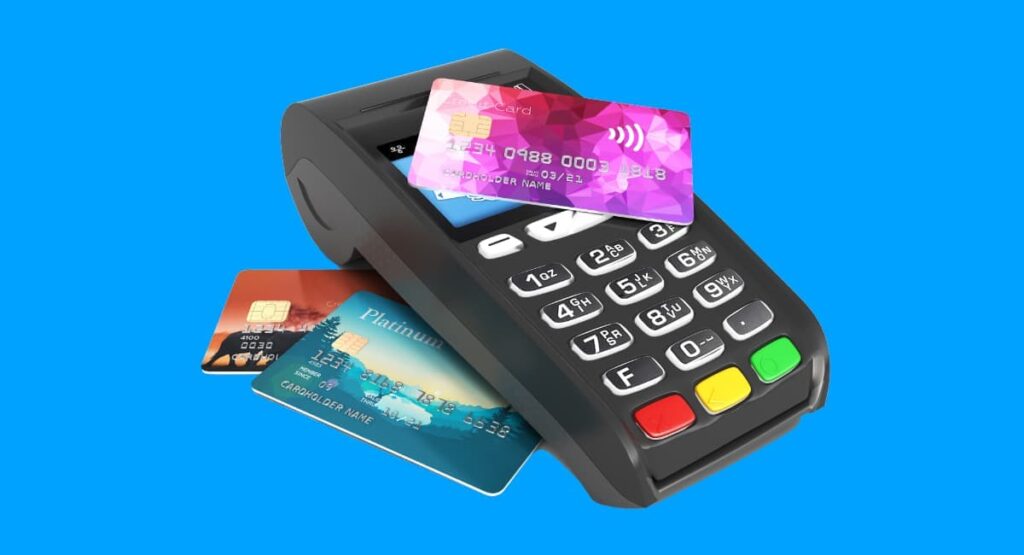
Have you ever wondered what an electronic debit card is? And why almost everyone carries one today? Simply put, an electronic debit card is a card linked directly to the bank account that lets you pay for things without using cash. It is one of the most widely used debit card payment methods worldwide right now.
Digital payments are growing faster than ever in 2026. Cash is being used less, and more people are relying on their bank debit card for groceries, bills, and online shopping every single day. Whether you are a student, a working adult, or a retiree, an electronic debit card fits every lifestyle perfectly.
In this guide, you will learn the meaning of an electronic debit card. You can also explore more money-related topics on the Cognetify Finance hub for the latest updates
What Is an Electronic Debit Card?
Simple Definition
So, what is an electronic debit card exactly? Think of it as your bank account in card form. A debit card definition in simple terms is this: it is a small card issued by your bank that gives you instant electronic access to your own money. You spend what you have, nothing more. There is no borrowing, no monthly bill, and no interest. Your money leaves your account the moment you swipe, tap, or click. According to Investopedia, a debit card is one of the most fundamental tools in modern personal banking worldwide.
How It Works
How electronic debit cards work is straightforward. When you tap your bank debit card at a store, your card details are sent to the payment terminal. That terminal contacts your bank through a secure debit card payment system to verify your balance. If funds are available, your bank approves the transaction and deducts the amount instantly. The entire debit card payment processing cycle completes in under five seconds.
For online purchases, you enter your card number, expiry date, and CVV. The website sends these to a payment gateway, which checks with your bank. If everything matches, the payment is confirmed. That is the debit card for the online payment process working at full speed.
Key Components of an Electronic Debit Card
Every electronic debit card has parts that make it work together seamlessly:
- Card Number — A unique 16-digit number used in every debit card payment authorization
- EMV Chip — Generates a unique code per transaction, making fraud extremely difficult
- CVV Code — A 3-digit security number used for online purchases
- Magnetic Stripe — Used in older terminals that do not support chip payments
- Expiry Date — Confirms the card is still valid at the time of purchase
- PIN — Your private code that activates debit card PIN protection at ATMs and terminals
Types of Electronic Debit Cards You Should Know
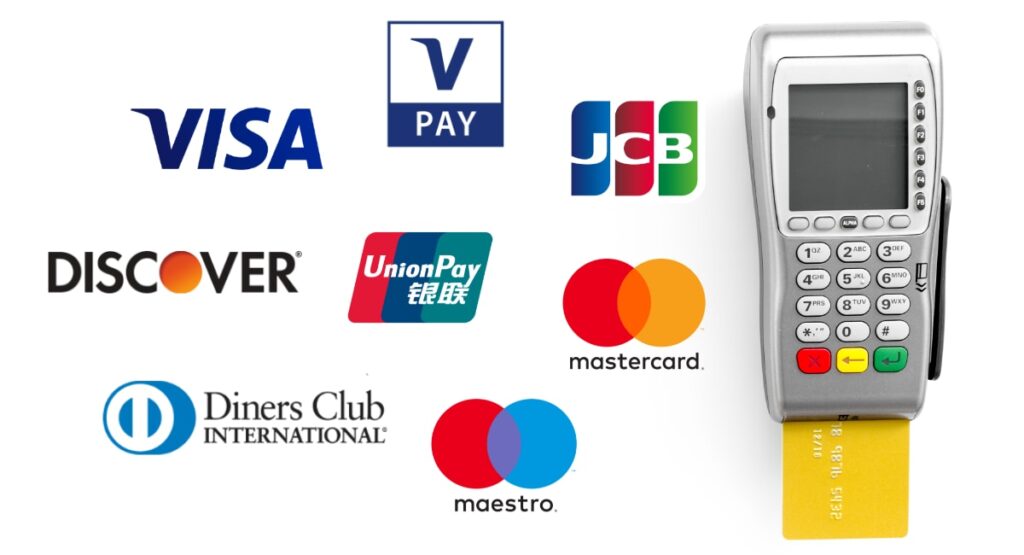
There are several types of electronic debit cards available today, and each serves a different purpose. Knowing which one suits you best makes managing money far easier.
Bank-Issued Debit Cards
A bank debit card is the most common type globally. Your bank issues it when you open a current or savings account. It is directly linked to your bank account, so every purchase deducts money instantly. Moreover, it works at ATMs, stores, and on websites carrying Visa or Mastercard logos worldwide.
Virtual Debit Cards
A virtual debit card exists only in digital form, with no physical plastic at all. You receive a card number, expiry date, and CVV used exclusively for a debit card for online shopping and app-based payments. It is growing rapidly in 2026 because it offers stronger security. Additionally, many banks now generate a fresh virtual card number for every single transaction automatically. To see how virtual cards work inside apps, check out the best mobile payment apps in 2026, reviewed by Cognetify.
Prepaid Debit Cards
A prepaid debit card is not linked to any bank account. You load money onto it before spending, just like topping up a phone. Therefore, it is a great tool for strict budget control, gifting, or travel. It is also ideal for people who do not yet have a traditional bank account but still need a reliable electronic payment card.
Contactless Debit Cards
A contactless debit card lets you pay by simply tapping the card on a reader using NFC technology. Payment is completed in under a second. Furthermore, most modern bank debit cards now come with contactless capability built in, making checkout faster and more hygienic at stores, transport systems, and restaurants everywhere.
Electronic Debit Card vs Credit Card: Key Differences
Many people confuse an electronic debit card with a credit card, but they work in completely different ways. Understanding the debit card vs credit card differences helps you make smarter financial decisions every day.
Spending Source
An electronic debit card uses your own money from your account. A credit card lets you borrow money and repay it later. Therefore, with a digital debit card, overspending beyond your balance is simply not possible at all.
Interest & Fees
A debit card payment method charges zero interest — ever. Credit cards can charge 15% to 30% interest if balances go unpaid. Additionally, debit card fees are far more transparent and predictable compared to the hidden charges that often come attached to credit cards.
Security
Both cards offer protection, but they work differently. Debit card security protects your own funds, while credit cards protect borrowed money. Furthermore, most banks now offer real-time debit card fraud protection alerts. However, fraud on a debit card hits your own account directly, so fast reporting matters greatly.
Best Use Cases
Use your electronic debit card for daily spending, groceries, and ATM withdrawals. In contrast, credit cards suit large purchases where rewards or buyer protection are needed. For most people, a debit card financial tool that keeps everyday budgeting completely stress-free and simple.
Electronic Debit Card vs Credit Card — Comparison Table
| Feature | Electronic Debit Card | Credit Card |
|---|---|---|
| Spending Source | Your own bank funds | Borrowed money |
| Interest Charges | None | 15%–30% if unpaid |
| Debt Risk | Very low | High if misused |
| Credit Check Required | No | Yes |
| Best For | Daily spending & budgeting | Large purchases & rewards |
| Overspending Risk | Cannot exceed balance | Easy to overspend |
| Credit Score Impact | No impact | Builds or damages credit |
Top Benefits of Using an Electronic Debit Card

Using an electronic debit card comes with real, everyday advantages that simplify your financial life. In fact, these benefits are exactly why millions of people worldwide prefer it over cash or credit cards.
Instant Payments & Budget Control
With an electronic debit card, payments are processed immediately, and your balance updates in real time. Moreover, since you can only spend what is in your account, it naturally encourages better spending habits. Many people find that using a debit card banking tool daily helps them save more without even trying hard. It is one of the strongest debit card consumer benefits available to anyone anywhere in 2026.
Widely Accepted & Zero Debt Risk
An electronic payment card with a Visa or Mastercard logo is accepted in over 200 countries. Additionally, a debit card for online payments works on virtually every major website globally. Furthermore, because you are always spending your own money, there is zero risk of falling into a debt cycle. In contrast to credit cards, your digital debit card will never charge interest or trap you in minimum payment stress. For a broader view of digital spending tools, read Cognetify’s guide on how to evaluate fintech digital wallets.
Electronic Debit Card Fees and Hidden Charges
Most people assume an electronic debit card is completely free, but some charges do exist. Therefore, knowing the common debit card fees upfront helps you avoid unwanted surprises on your bank statement every single month.
ATM & Overdraft Fees
Using your bank debit card at an out-of-network ATM can cost between $1.50 and $3.50 per withdrawal. Furthermore, the ATM owner may add their own surcharge on top. Overdraft fees are even steeper — typically $25 to $35 per transaction. However, linking a savings account to your debit card linked to a bank account can eliminate these overdraft charges altogether.
Foreign Transaction & Replacement Fees
Debit card international usage often triggers a foreign transaction fee of 1% to 3% per purchase. Moreover, currency conversion charges may apply on top. Additionally, requesting an urgent card replacement can cost between $5 and $15. Always read your bank’s full fee schedule so no debit card transaction fees ever catch you completely off guard.
Common Debit Card Fees — Quick Reference Table
| Fee Type | Typical Cost | How to Avoid |
|---|---|---|
| Out-of-Network ATM | $1.50 – $3.50 | Use your own bank’s ATMs |
| Overdraft Fee | $25 – $35 | Enable overdraft protection |
| Foreign Transaction | 1% – 3% | Choose a no-forex-fee card |
| Card Replacement | $5 – $15 (express) | Report loss immediately |
| Monthly Maintenance | $0 – $12 | Choose a fee-free account |
Electronic Debit Card Security Features Explained
Your electronic debit card is protected by several powerful security layers working together at all times. In fact, debit card security features in 2026 are more advanced and reliable than they have ever been before.
EMV Chip & Tokenization
The EMV chip on your card generates a unique one-time code for every transaction, making duplication nearly impossible. Tokenization takes security further — your real card number is never shared with merchants during online payments. Instead, a temporary digital token is used in its place. Furthermore, that token expires immediately after the transaction, keeping your actual debit card payment method details completely hidden from hackers at all times.
Two-Factor Authentication & Fraud Alerts
Debit card authentication methods now include two-factor authentication requiring a one-time password sent to your phone. Additionally, biometric verification, like fingerprints and face scans, is increasingly standard across banking apps today. Moreover, real-time debit card fraud protection alerts notify you the instant your card is used anywhere in the world. As a result, suspicious transactions are caught and reported within minutes rather than days.
PIN Protection
Your debit card PIN protection is your frontline defense at every ATM and payment terminal worldwide. Never share your PIN with anyone — not even your bank will ever ask for it directly. Additionally, always cover the keypad when entering your PIN in public to prevent others from seeing it. In addition, change your PIN immediately if you ever suspect it has been seen or compromised by someone.
Mistakes to Avoid When Using an Electronic Debit Card
Even careful people make avoidable mistakes with their electronic debit card that cost money or compromise security badly. Therefore, knowing these common pitfalls helps you stay protected and in full control at all times.
- Sharing your PIN — Your debit card PIN protection is completely private. Never share it with anyone under any circumstances.
- Ignoring fees — Always check debit card transaction fees for ATM use, foreign purchases, and overdrafts before they quietly add up.
- Using public Wi-Fi — Never enter your electronic debit card details on unsecured networks. Hackers can intercept your debit card payment authorization data very easily.
- Not enabling alerts — Always activate real-time debit card fraud protection notifications so you catch suspicious activity the moment it happens.
- Overlooking your balance — Check your balance before large purchases to avoid costly overdraft fees on your account.
Future of Electronic Debit Cards in Digital Payments
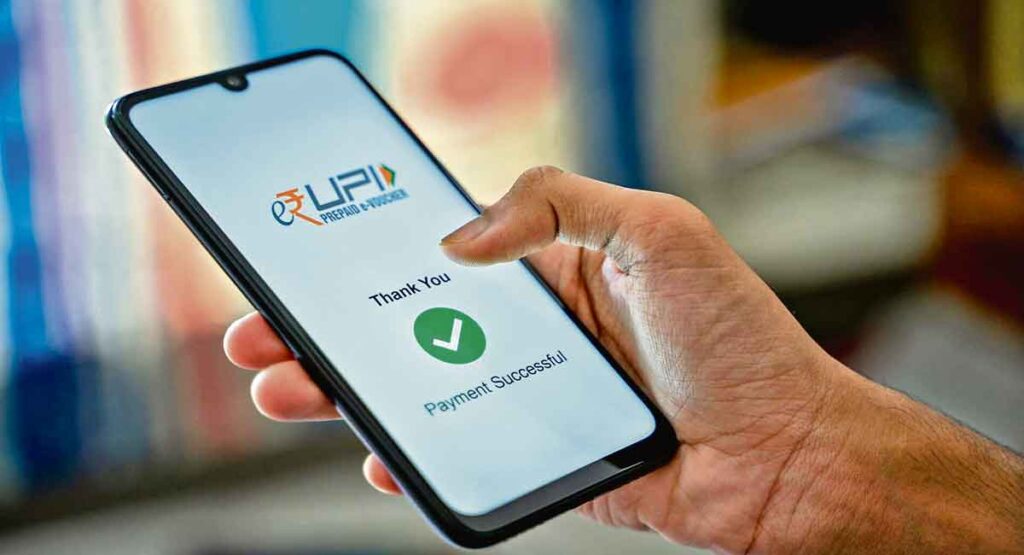
The electronic debit card is evolving rapidly, and the next few years promise truly remarkable changes ahead. In fact, modern debit card technology is being reshaped by artificial intelligence, biometrics, and seamless digital wallet integration globally.
Virtual debit cards are replacing physical plastic for millions of users worldwide. In 2026, many banks issue them instantly with zero waiting. Mobile wallet integration means your card now lives inside Apple Pay or Google Pay, leaving physical cards at home entirely. Cognetify has a full breakdown of the top digital wallets and mobile payment apps worth using in 2026. Furthermore, debit card contactless payments are now accepted at over 90% of major global retailers.
Additionally, biometric debit card authentication methods, including fingerprint and facial recognition, are making traditional passwords increasingly obsolete. Moreover, AI-powered debit card fraud protection now detects suspicious spending patterns in milliseconds, far smarter and faster than any older rule-based system ever could manage. Discover how AI is transforming personal money management in Cognetify’s guide to the best AI-driven personal finance assistants for 2026.
How Cognetify Simplifies Electronic Payment Insights
Keeping up with electronic debit card trends, fees, and security updates can feel overwhelming without the right resource. That is exactly where Cognetify comes in, turning complex digital payment topics into clear, simple, and actionable knowledge for absolutely everyone.
Cognetify covers everything from debit card transaction fees to debit card security features and debit card banking regulations in plain language, updated as of February 2026. Therefore, whether you are comparing debit card vs credit card differences, understanding debit card daily limits, or exploring the safest debit card payment methods, Cognetify has a clear, honest, and trustworthy guide ready for you. In addition, bookmark Cognetify as your go-to resource for all things related to electronic payment cards and debit card digital payments going forward. Want to know more about the team behind the content? Visit the Cognetify About Us page or get in touch directly with any questions.
FAQs About Electronic Debit Cards
What is an electronic debit card used for?
An electronic debit card is used for everyday purchases, debit cards for online payments, ATM withdrawals, travel spending, and recurring subscriptions. It works in physical stores and on websites globally. Furthermore, it is your bank account in card form — always instant, always ready, and accepted almost everywhere payments are processed today.
Is an electronic debit card safe?
Yes. An electronic debit card includes EMV chip protection, tokenization, two-factor authentication, and real-time debit card fraud protection alerts. Additionally, your bank monitors every transaction around the clock. However, always protect your debit card PIN protection and never enter card details on unsecured or unfamiliar websites.
Is a debit card better than a credit card?
It depends on your goals. A debit card vs credit card comparison shows debit cards are better for daily budgeting and avoiding debt entirely. In contrast, credit cards offer rewards and protection for large purchases. Therefore, for most everyday users, an electronic debit card is the safer and more responsible financial choice overall.
Can you use a debit card internationally?
Yes. Most electronic debit cards with Visa or Mastercard logos support international debit card usage in over 200 countries. However, always check debit card transaction fees for foreign purchases. Moreover, inform your bank before traveling so your card is not blocked for unexpected international activity.
What fees do debit cards charge?
Common debit card fees include ATM charges of $1.50–$3.50, overdraft fees of $25–$35, and foreign transaction fees of 1%–3%. Additionally, express card replacement can cost $5–$15. Therefore, always read your bank’s fee schedule and choose a fee-free bank debit card account from the very beginning.
Conclusion
Now you have a complete understanding of what an electronic debit card is and everything that comes with it. From its simple debit card definition to advanced debit card security features, types, fees, and exciting future trends, you are fully equipped to use your card smarter every single day. Whether you are making debit card for online payments, withdrawing cash, or managing subscriptions, your electronic debit card remains one of the most powerful debit card financial tools available in 2026. Therefore, protect your PIN, enable fraud alerts, and always stay informed. Most importantly, an electronic debit card puts you in full control of your own money, and that is exactly where control belongs.

- How to Secure Your Mobile Banking App from Hackers in 2026 - March 6, 2026
- Best Accounting Software for Multiple Businesses 2026 | Best Tools - March 6, 2026
- Is It Evaluate The Fintech Digital Wallets Worth It in 2026? - March 5, 2026