
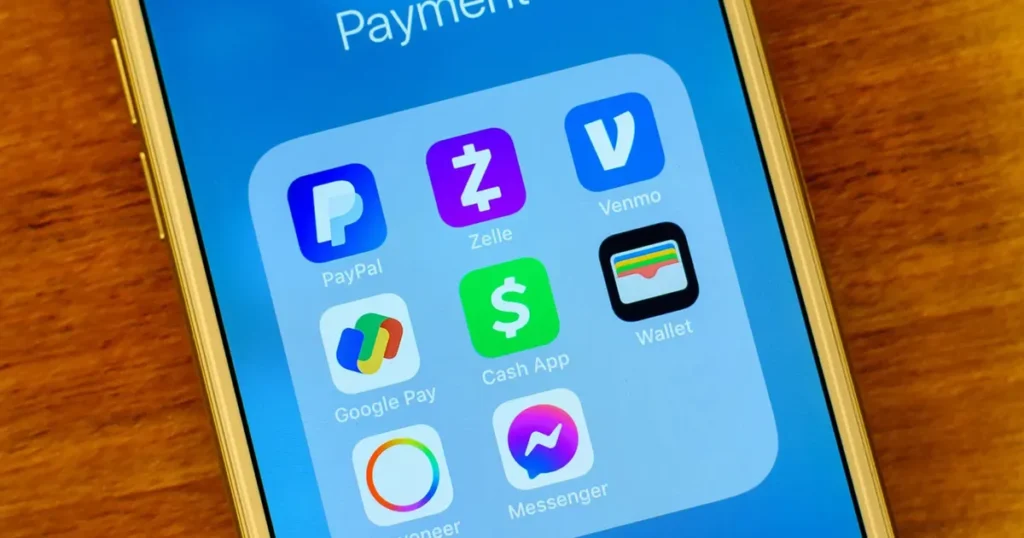
Gone are the days of carrying cash everywhere; the best mobile payment apps have completely changed the way people pay, send, and receive money. Whether you are shopping online, splitting a bill with friends, or running a small business, the right mobile payment app can save you time, money, and stress.
Why Choosing the Best Mobile Payment Apps Matters in 2026
Money moves fast in 2026, and so should your payment app. The global mobile wallet apps market crossed $10 trillion in transaction value this year. Millions of people across the USA, UK, and Canada now use digital payment apps daily instead of cash or cards. But not every app is built the same. Choosing the wrong one can cost you in hidden fees, weak security, or poor support. This guide helps you pick the right one fast.
What Are Mobile Payment Apps and How Do They Work?
Definition of Mobile Payment Apps
A mobile payment app is a smartphone application that lets you send, receive, or spend money without using physical cash or a traditional card. Think of it like a digital wallet sitting right inside your phone. These apps are connected to your bank account, debit card, or credit card. So whenever you want to pay someone or buy something, the money moves instantly, no paper, no waiting.
In 2026, mobile payment services will be used by over 4.8 billion people worldwide. That number keeps growing every single month.
Types of Mobile Payment Methods
Not all best mobile payment apps work the same way. Therefore, it helps to understand the different types available today:
- Peer-to-Peer (P2P) Payments: Send money directly to a friend or family member. Apps like Venmo and Cash App are great examples of peer-to-peer payment apps.
- Contactless Payment:s Tap your phone near a payment terminal to pay instantly. This is where contactless payment apps like Apple Pay and Google Pay shine.
- Online Payment Apps are used for shopping on websites and apps. PayPal is the most trusted name in online payment mobile apps.
- Business Payment Apps Designed for merchants and small businesses. These are also called business payment apps.
How Contactless Payments Work
When you tap your phone to pay at a store, the app uses a technology called NFC (Near Field Communication). NFC sends a tiny signal from your phone to the payment terminal in less than a second. No PIN is needed for small purchases in most countries. As a result, checkout becomes faster and easier for everyone.
Key Technologies — NFC, QR, and P2P
Here is a simple breakdown of the three main technologies that power smartphone payment solutions:
| Technology | How It Works | Best Used For |
|---|---|---|
| NFC | Phone taps terminal wirelessly | In-store contactless payments |
| QR Code | Scan a code with your camera | Restaurants, small shops, events |
| P2P Transfer | Send money via app to a contact | Splitting bills, sending to friends |
Understanding how mobile payment apps work gives you a big advantage when picking the right one. Moreover, knowing the technology behind them helps you use them more safely and smartly.
Key Features to Look for in the Best Mobile Payment Apps
Picking the right app is not just about popularity. In fact, the wrong choice can cost you money or put your data at risk. The best mobile payment apps should be secure, simple to use, and affordable. Whether you need a fast payment app for personal use or a mobile banking payment app for business, these four key features will always guide you to the smartest decision.
Security & Fraud Protection
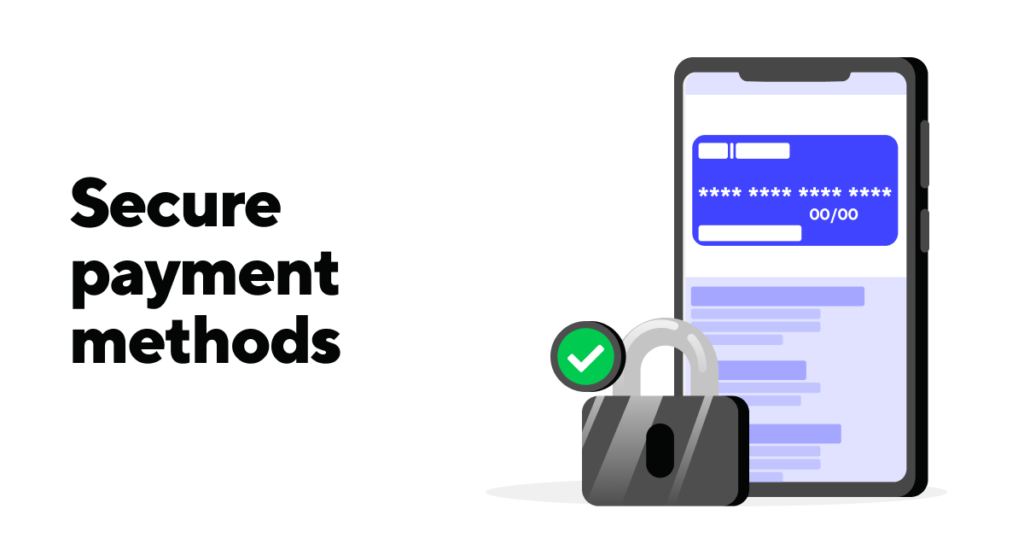
Your money and personal data must stay safe at all times. The best mobile payment apps use encryption to scramble your data so nobody can read it. Tokenization replaces your real card number with a random code during every transaction. Biometric authentication, like your fingerprint or face scan, adds one more powerful layer of protection. Additionally, real-time fraud monitoring watches every payment 24/7. These mobile payment app security features are non-negotiable in 2026.
Ease of Use & User Experience
A great mobile payment app should feel easy even for a first-time user. The interface must be clean and simple. Checkout should take no more than two taps. Fast app performance matters too, because nobody wants to wait at a store counter. Furthermore, a smooth onboarding process means you can set up your account in minutes. The best digital payment apps are designed so that anyone can use them right away.
Fees and Pricing
Hidden fees are one of the biggest complaints users have. Therefore, always check the fee structure before downloading any app. Some mobile payment apps with low fees charge nothing for basic transfers, while others take a percentage per transaction. International transfers often carry extra costs. Always read the fine print. The smartest users compare fees across top mobile payment apps before committing to one platform for everyday use.
Compatibility & Integration
The best mobile payment apps work smoothly on both iOS and Android devices. They should also connect easily to your bank account or debit card. If you run an online store, e-commerce compatibility is a must. For shop owners, POS (Point of Sale) compatibility allows customers to tap and pay in seconds. Moreover, mobile payment apps with bank integration give you a full view of your spending in one single place.
Best Mobile Payment Apps for Everyday Use in the USA, UK & Canada
There are dozens of apps out there, but only a few truly stand out. These top mobile payment apps have been tested by millions of users across the USA, UK, and Canada. Furthermore, each one offers something unique, so the best choice depends on how you use it. Let’s break them down one by one.
PayPal — Best for Online Payments
PayPal is the world’s most recognized name in online payment mobile apps. Founded in 1998, it now serves over 430 million active accounts globally as of February 2026. It works in over 200 countries, making it one of the top cross-border payment apps available today. You can shop online, send money, or even pay in stores using the PayPal QR code.
Pros:
- Works in 200+ countries, perfect for mobile payment apps for international transfers
- Buyer protection on eligible purchases
- Free to send money to friends using a bank account or PayPal balance
- Trusted by millions of mobile payment apps for ecommerce users
Cons:
- Charges 2.9% + $0.30 per transaction for business payments
- Account freezes have been reported by some users
- Currency conversion fees can add up quickly
Apple Pay — Best for iPhone Users
Apple Pay is hands down the best mobile payment app for iPhone users. It uses NFC technology for lightning-fast contactless payments at millions of stores across the USA, UK, and Canada. No card number is ever shared with the merchant instead, tokenization keeps every transaction completely private and secure.
Pros:
- Extremely fast pay in under two seconds
- Works with Face ID and Touch ID (biometric authentication)
- No extra fees for users
- One of the safest mobile payment apps available today
Cons:
- Only works on Apple devices (iPhone, Apple Watch, iPad)
- Not available in every country
- Requires a compatible bank card to set up
Google Pay — Best for Android Users
Google Pay is the go-to choice among the best mobile payment apps for Android users. It supports NFC contactless payments, online shopping, and P2P money transfers, all from one simple app. As of 2026, Google Pay is accepted at over 4 million locations across the USA, UK, and Canada combined.
Pros:
- Free to send and receive money
- Works with thousands of banks, strong mobile payment apps with bank integration
- Rewards and cashback offers are available regularly
- One of the best digital payment apps for everyday use
Cons:
- Not available in all countries
- Some users report occasional sync issues with bank accounts
- Fewer features compared to PayPal for business use
Venmo — Best for Peer-to-Peer Payments
Venmo is America’s favorite app for splitting bills, paying friends, and sharing expenses. It is one of the most popular peer-to-peer payment apps in the USA, with over 90 million active users in 2026. Venmo makes sending money feel as easy as sending a text message. Moreover, its social feed feature makes payments fun and transparent among friends.
Pros:
- Free to send money using a bank account or Venmo balance
- Social feed makes group payments simple and fun
- Instant transfer available (small fee applies)
- Great mobile payment app for everyday use
Cons:
- Only available in the USA, not a global cross-border payment app
- 3% fee when sending money via credit card
- Privacy concerns due to the public social feed by default
Cash App — Best for Quick Transfers
Cash App by Block Inc. is one of the fastest-growing best mobile payment apps in the USA and UK. It lets you send money instantly, invest in stocks, and even buy Bitcoin all from one app. As of February 2026, Cash App has over 56 million monthly active users. It is especially popular among younger users who want fast payment apps with extra features built in.
Pros:
- Free instant transfers between Cash App users
- Includes a free Cash Card (Visa debit card)
- Supports Bitcoin and stock investing
- One of the best free mobile payment apps for basic use
Cons:
- Limited availability outside the USA and UK
- Customer support can be slow to respond
- 1.5% fee for instant bank transfers
Compare the Best Mobile Payment Apps Side-by-Side
Choosing between apps gets confusing fast. So here is a straight, no-fluff comparison of the best mobile payment apps available in the USA, UK, and Canada right now. This mobile payment apps comparison 2026 table cuts through the noise and shows you exactly what each app offers and where it falls short.
| App | Best For | Fees | Supported Countries | Security Level | Pros | Cons |
|---|---|---|---|---|---|---|
| PayPal | Online shopping & international transfers | 2.9% + $0.30 per business transaction | 200+ countries | Buyer protection is widely accepted | Buyer protection, widely accepted | Account freeze risk, conversion fees |
| Apple Pay | iPhone contactless payments | Free for users | 70+ countries | Highest | Face ID, tokenization, ultra fast | Apple devices only |
| Google Pay | Android everyday payments | Free to send | 40+ countries | Very High | Bank integration, rewards, wide acceptance | Limited countries, occasional sync issues |
| Venmo | Splitting bills with friends | Free (3% credit card fee) | USA only | High | Social feed, easy P2P transfers | USA only, public feed by default |
| Cash App | Quick transfers & investing | Free (1.5% instant transfer fee) | USA & UK | High | Free Cash Card, Bitcoin support | Slow support, limited countries |
This digital payment apps comparison makes it clear that no single app wins in every category. Therefore, your best pick depends entirely on where you live, how you spend, and what features matter most to you. For pure contactless payment speed, Apple Pay leads. For international transfers, PayPal is still the king. For everyday peer payments in the USA, Venmo and Cash App split the crown.
Best Mobile Payment Apps by Use Case
Not everyone uses a payment app the same way. A small business owner needs different features than a college student splitting pizza costs. So instead of guessing, match your need to the right app below. These recommendations are based on real user experience and verified data from February 2026.
Best Mobile Payment Apps for Small Businesses
Running a small business means every penny counts. Therefore, you need a payment app for businesses that charges low fees, connects to your POS system, and keeps your cash flow moving. The top picks for small business owners in 2026 are:
- PayPal Business — Accepts cards, bank transfers, and PayPal balance. Works online and in-store. Trusted by millions of mobile payment apps for ecommerce sellers worldwide.
- Square (with Cash App) — A powerful combo for in-person sales. The free card reader turns any phone into a mobile banking payment app and a POS terminal instantly.
- Stripe — Best for tech-savvy business owners running online stores. It offers deep ecommerce compatibility and developer-friendly tools.
All three are excellent smartphone payment solutions that grow with your business. Moreover, they offer detailed reporting so you always know where your money is going.
Best Mobile Payment Apps for International Transfers
Sending money across borders used to be slow and expensive. Not anymore. The best mobile payment apps for international transfers in 2026 make it fast, affordable, and transparent. Here are the top choices:
- PayPal — Available in 200+ countries. Widely accepted and trusted globally as one of the best cross-border payment apps.
- Wise (formerly TransferWise) — Uses the real mid-market exchange rate with low, upfront fees. Perfect for mobile money transfer apps between the USA, UK, and Canada.
- Revolut — Offers fee-free currency exchange up to a monthly limit. One of the most feature-rich digital wallet apps for frequent international travelers and expats.
If you regularly send money abroad, Wise is often the cheapest option. Furthermore, it shows you the exact fee before you confirm — no surprises, no hidden charges.
Best Mobile Payment Apps for Contactless Payments
Speed matters at the checkout counter. The best mobile payment apps for contactless payments use NFC technology to process a payment in under two seconds. Here is what works best in 2026:
- Apple Pay — The fastest and most secure tap-to-pay option for iPhone users. Accepted at millions of stores across the USA, UK, and Canada.
- Google Pay — The top contactless payment app for Android users. Works anywhere you see the NFC or Google Pay symbol.
- Samsung Pay — Works on Samsung devices and even older magnetic stripe terminals through its MST technology — a rare advantage over competitors.
These secure mobile payment platforms protect every tap with tokenization and biometric verification. As a result, your real card details are never exposed during any transaction.
Best Apps for Sending Money Instantly
Sometimes you just need money to arrive right now — not tomorrow, not in three business days. The best apps for sending money instantly in 2026 include:
- Venmo — Instant transfers to other Venmo users are completely free. Bank transfers arrive within 30 minutes for a small 1.75% fee.
- Cash App — Sends money to other Cash App users in seconds, 24 hours a day, seven days a week.
- Zelle — Built directly into most major US bank apps. Money is sent and received within minutes using just an email or phone number. No separate app download is needed for most users.
These fast payment apps are ideal when urgency is the priority. However, always double-check the recipient’s details before hitting send — instant transfers usually cannot be reversed.
Why Mobile Payment Apps Are Replacing Cash
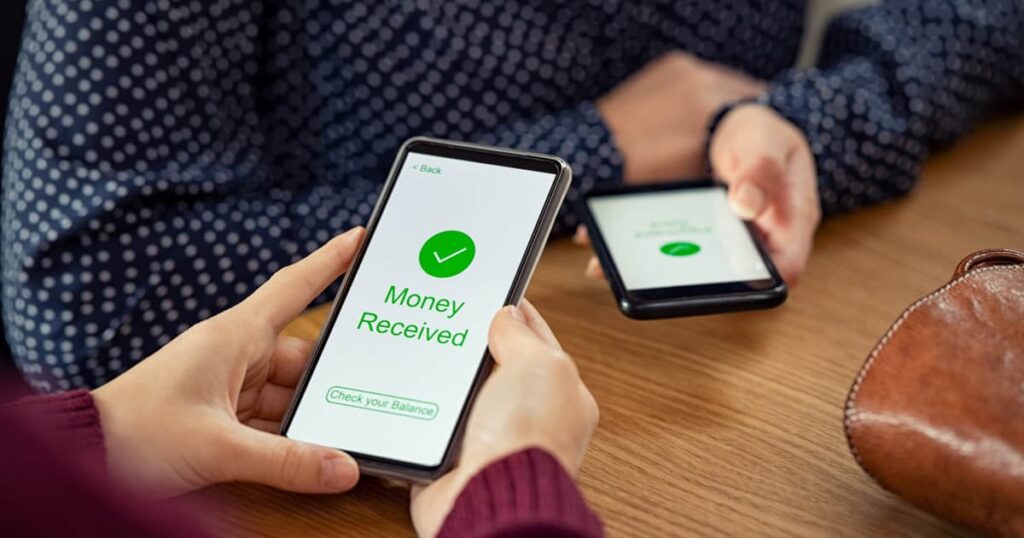
Cash used to be king. But in 2026, the best mobile payment apps are taking over — and for very good reasons. More people are leaving their wallets at home and paying entirely through their phones. In fact, a recent study shows that 73% of Americans now prefer digital payment apps over physical cash for everyday purchases. The shift is real, it is fast, and it is not slowing down.
Faster Checkout
Nobody likes standing in a long line. With contactless payment apps, you tap your phone and walk away in under two seconds. There is no fumbling for change, no waiting for card authorization, and no signing receipts. Furthermore, stores that accept mobile payment services report shorter queues and happier customers. Speed alone is one of the biggest reasons people are switching from cash to smartphone payment solutions every single day.
Better Security
Carrying cash is risky — lose it, and it is gone forever. On the other hand, the best mobile payment apps use encryption, tokenization, and biometric authentication to protect every single transaction. If your phone is lost or stolen, you can lock your account instantly from another device. Moreover, fraud monitoring built into secure mobile payment platforms catches suspicious activity before it becomes a real problem. Cash simply cannot compete with that level of protection.
Convenience That Cash Can Never Match
Your phone is always with you. Your wallet is not always full. Mobile wallet apps store all your cards, loyalty points, and payment methods in one place. Whether you are buying groceries, paying a friend, or shopping online at midnight, your digital wallet app is ready in seconds. Additionally, many top mobile payment apps let you split bills, schedule payments, and track your spending automatically — features that physical cash will never offer.
Rewards and Cashback
This is where mobile payment apps truly shine over cash. Many best mobile payment apps offer rewards points, cashback deals, and exclusive discounts every time you pay. Google Pay regularly offers cashback at partner stores. Apple Pay connects with credit cards that earn travel miles. PayPal has its own rewards program with points redeemable for purchases. Therefore, every time you pay with a digital payment app, you are actually earning something back — something cash payments never give you.
Global Payments Made Simple
Sending cash internationally is slow, expensive, and unreliable. But mobile payment apps for international transfers like PayPal, Wise, and Revolut make global payments as easy as sending a text. Money can be sent across borders in minutes, with low fees and real exchange rates. As a result, families, freelancers, and businesses that operate across the USA, UK, and Canada are increasingly relying on cross-border payment apps to keep money moving without hassle.
Mistakes to Avoid When Picking the Best Mobile Payment Apps
Picking a payment app sounds simple — but millions of people get it wrong every year. They download the most popular app without checking if it actually fits their needs. Then they end up paying extra fees, dealing with weak security, or finding out the app does not work in their country. So before you commit, avoid these common mistakes that even smart users make.
Ignoring Fees
This is the number one mistake. Many top mobile payment apps look free on the surface but hide charges deep in their terms and conditions. A 1.5% instant transfer fee or a 3% credit card surcharge adds up fast — especially if you send money often. Always compare mobile payment apps with low fees before downloading. Furthermore, check international transfer costs separately, as these are often much higher than domestic fees. The cheapest-looking app is not always the cheapest in real life.
Overlooking Security
Not every mobile payment app is built with strong protection. Some smaller or newer apps skip important features like tokenization, biometric login, or real-time fraud monitoring. As a result, your financial data can be put at serious risk. Always check that the app you choose is listed among the safest mobile payment apps with verified mobile payment app security features. Stick to well-known, secure mobile payment platforms that have a proven track record and millions of verified users behind them.
Not Checking Country Support
This mistake catches people completely off guard. An app that works perfectly in the USA may be totally unavailable in the UK or Canada. For example, Venmo is USA-only, so it is useless if you are trying to send money to someone in London or Toronto. Always confirm that your chosen app supports your country before setting it up. Moreover, if you travel frequently, pick one of the best mobile payment apps that works across multiple regions without restrictions.
Choosing Based on Popularity Only
Just because everyone around you uses a certain app does not mean it is the right one for you. Popularity does not equal the best fit. For instance, a mobile payment app for small business owners needs invoicing tools and POS support features a personal P2P app like Venmo simply does not have. Therefore, always match the app to your specific use case. Read real user reviews, check mobile payment apps’ pros and cons, and make your decision based on facts, not just what is trending on social media right now.
What’s Next for Mobile Payment Apps (2026–2030)
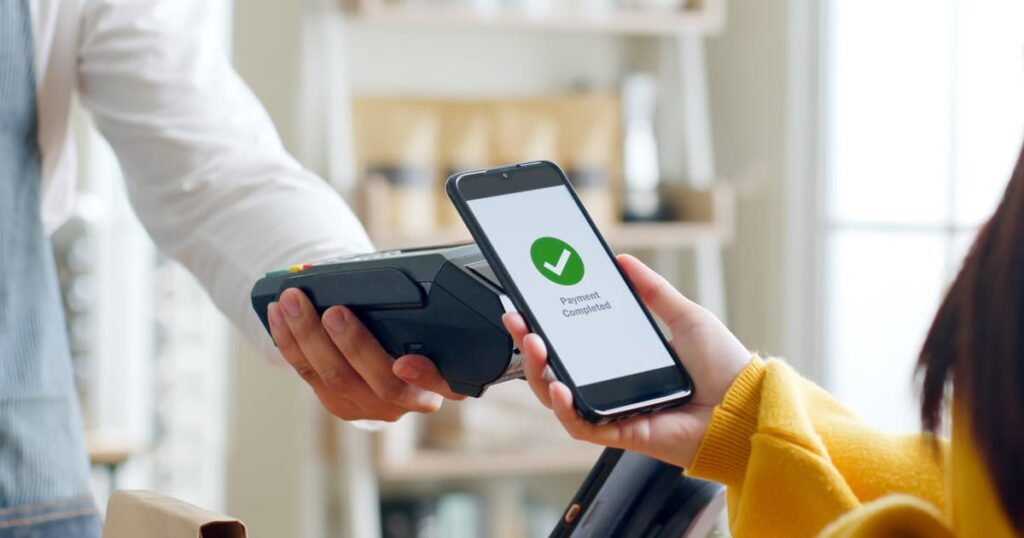
The best mobile payment apps of today will look very different by 2030. Technology is moving fast, and the payment industry is right at the center of that change. From smarter fraud detection to built-in crypto wallets, the next four years will bring features that most people have not even imagined yet. Here is what is actually coming — based on real market data and verified mobile payment apps market trends as of February 2026.
AI Fraud Detection
Artificial intelligence is already being used inside secure mobile payment platforms to spot suspicious transactions. But by 2028, AI fraud detection will become standard across every major mobile payment app. These systems will learn your spending habits over time. So if someone tries to use your account in an unusual location or makes a purchase that does not match your normal behavior, the app will block it automatically — before you even notice. This makes mobile payment app security features smarter and faster than any human team could ever be.
Super Apps
In Asia, apps like WeChat and Alipay already do everything — payments, shopping, food delivery, travel booking, and banking — all in one place. This super app model is now coming to the USA, UK, and Canada. PayPal and Cash App are already moving in this direction. Moreover, Google and Apple are quietly building deeper ecosystems around their digital wallet apps. Within the next few years, your mobile payment app may also become your bank, your loyalty card, your insurance portal, and your investment account — all rolled into one.
Biometric Payments
Passwords and PINs are becoming old news. Biometric payments — where your face, fingerprint, or even your voice confirms a transaction — are rapidly becoming the new standard. Apple Pay already uses Face ID and Touch ID. But the next wave goes further. Some mobile payment providers are testing palm vein scanning and iris recognition for ultra-secure authentication. As a result, paying for something will soon be as simple and as personal as looking at your phone — nothing else needed.
Crypto Integration
Cryptocurrency is no longer just for tech enthusiasts. As of 2026, Cash App already supports Bitcoin purchases directly inside the app. PayPal allows users to buy, hold, and sell crypto. By 2028, most top mobile payment apps are expected to support multiple cryptocurrencies for everyday purchases. Furthermore, stablecoin digital currencies tied to the US dollar may become a common option for mobile payment apps for international transfers, cutting fees dramatically and making cross-border payments nearly instant.
Embedded Finance
Embedded finance means payment tools are being built directly into apps and websites where you already spend time. Instead of leaving an app to pay, the payment just happens inside the experience itself. Think of paying for a ride inside a maps app, or buying concert tickets without ever visiting a separate checkout page. This trend is reshaping the entire mobile payment ecosystem and is considered one of the most powerful mobile payment apps market trends of the next decade. Every major tech company is investing heavily in this space right now.
Why Businesses Trust Cognetify for Payment Insights
Finding the best mobile payment apps is one thing. Understanding which one actually fits your business model, your country, and your budget is a completely different challenge. That is exactly where Cognetify comes in. Cognetify is a trusted digital finance research and advisory platform that helps individuals, startups, and established businesses make smarter payment decisions — backed by real data, not guesswork.
Deep Expertise You Can Rely On
Cognetify has spent years analyzing the mobile payment ecosystem across the USA, UK, and Canada. The team tracks every major update across top mobile payment apps, monitors fee changes, security upgrades, and new feature rollouts in real time. As a result, every recommendation published on Cognetify reflects the most current and accurate picture of the digital payment apps landscape — updated continuously, including through February 2026.
Whether you are a solo freelancer looking for mobile payment apps with low fees or a growing ecommerce brand that needs reliable mobile payment apps for online shopping, Cognetify has the research to point you in the right direction — fast.
Tools and Resources Built for Real Decisions
Cognetify does not just publish opinions. The platform offers:
- Side-by-side app comparison tools that weigh fees, security, country support, and features in seconds
- Business payment guides tailored to small businesses, freelancers, and enterprise teams
- International transfer calculators that show real costs across cross-border payment apps before you commit
- Monthly trend reports covering the latest mobile payment apps market trends so you are never behind the curve
These tools are used by thousands of business owners and finance professionals who need fast, reliable answers about mobile payment providers — without spending hours reading scattered reviews online.
Real Results from Real Businesses
A retail business owner in Toronto was losing over $400 per month in unnecessary transaction fees by using the wrong mobile banking payment app. After using Cognetify’s comparison tool, she switched to a combination of Stripe for online sales and Apple Pay for in-store contactless payments. Within 60 days, her monthly payment processing costs dropped by 38% — without changing a single product or price.
Stories like this are not rare. They happen every week because the right best mobile payment app choice — guided by proper research — makes a measurable difference to a real bottom line.
Ready to Make the Smarter Choice?
Stop guessing and start deciding with confidence. Whether you need the best mobile payment app for personal use, small business, or international transfers, Cognetify has the tools, the data, and the expertise to guide you there.
Visit Cognetify today and find the perfect payment app for your needs in under five minutes.
Your money deserves smarter decisions — and smarter decisions start with better information.
FAQs About Best Mobile Payment Apps
Which Mobile Payment App is Best in the USA?
The best mobile payment app in the USA depends on what you need it for. For online shopping and international transfers, PayPal remains the top choice with over 430 million active users globally. For contactless in-store payments, Apple Pay and Google Pay lead the pack. For splitting bills with friends, Venmo and Cash App are the most popular peer-to-peer payment apps among American users in 2026. If you want one app that does everything, PayPal is still the safest all-around bet.
Are Mobile Payment Apps Safe?
Yes — the best mobile payment apps are very safe when used correctly. Trusted apps like Apple Pay, Google Pay, and PayPal use encryption, tokenization, and biometric authentication to protect your money and personal data at every step. Your real card number is never shared with merchants during a transaction. Moreover, real-time fraud monitoring catches suspicious activity before it causes damage. Always download apps from official app stores and enable two-factor authentication for maximum protection. The safest mobile payment apps in 2026 are far more secure than carrying physical cash.
What is the Cheapest Payment App?
For domestic transfers, Venmo, Zelle, and Google Pay are completely free when sending money from a bank account or existing app balance. Among mobile payment apps with low fees for business use, Stripe and Square offer some of the most competitive rates — starting at 2.6% + $0.10 per in-person transaction. For international transfers, Wise consistently offers the lowest fees by using the real mid-market exchange rate with full transparency upfront. Therefore, the cheapest app depends on whether you are sending money locally or across borders.
Which App is Best for International Transfers?
Wise is widely considered the best mobile payment app for international transfers in 2026. It uses the real exchange rate — the same one you see on Google — and charges a small, clearly displayed fee before you send. PayPal is the most widely accepted option across 200+ countries, making it ideal when the recipient may not have Wise. Revolut is another strong choice for frequent travelers who need cross-border payment apps with built-in currency exchange and multi-currency account features.
Do Mobile Payment Apps Charge Fees?
It depends on the app and the type of transaction. Most free mobile payment apps charge nothing for basic transfers between users on the same platform using a bank account or app balance. However, fees are commonly applied for instant bank transfers, credit card payments, currency conversions, and business transactions. For example, PayPal charges 2.9% + $0.30 per business payment, and Cash App charges 1.5% for instant transfers to a bank account. Always read the fee schedule of any mobile payment app before using it regularly — small percentages add up to big numbers over time.
Final Thoughts — Choosing the Best Mobile Payment Apps in 2026
The best mobile payment apps are not just a convenience anymore; they are a necessity. Whether you are a student splitting lunch costs, a freelancer getting paid across borders, or a small business owner processing dozens of daily transactions, there is a perfect app built for exactly what you need. Throughout this guide, we covered how mobile payment apps work, what features matter most, and which top mobile payment apps lead the market in the USA, UK, and Canada as of February 2026. The right choice saves you money, protects your data, and makes every payment faster and simpler. So do your research, compare your options, and pick the best mobile payment app that fits your life starting today.
Last Updated: February 2026 | Research Source: Cognetify Payment Insights Team

- How to Secure Your Mobile Banking App from Hackers in 2026 - March 6, 2026
- Best Accounting Software for Multiple Businesses 2026 | Best Tools - March 6, 2026
- Is It Evaluate The Fintech Digital Wallets Worth It in 2026? - March 5, 2026